

The Comprehensive Evolution of Social Media
Table of Contents
- Introduction: The Evolution of Social Media
- The Foundations of Social Media: Web 2.0 and User-Generated Content
- The Rise of Personal Connection: Early Platforms
- Social Media for Business and Brands
- The Impact of AI and Algorithms
- Social Media and News Dissemination
- The E-commerce Revolution on Social Media
- Understanding Social Media Analytics and Metrics
- The Future of Social Media: Emerging Technologies and Trends
- Frequently Asked Questions (FAQ)
- Key Takeaways
- Conclusion
1. Introduction: The Evolution of Social Media
Social media, once a nascent concept focused on digital camaraderie, has undergone a profound metamorphosis, evolving into an intricate, AI-driven ecosystem that underpins significant facets of modern life. What began as a simple mechanism for personal connection has burgeoned into an indispensable landscape for brand development, information dissemination, and commerce. This journey from its rudimentary beginnings to its current sophisticated state reflects a continuous adaptation to technological advancements and user demands. This article delves into the comprehensive trajectory of social media, illuminating its foundational principles, its transformative impact, and its ongoing evolution.
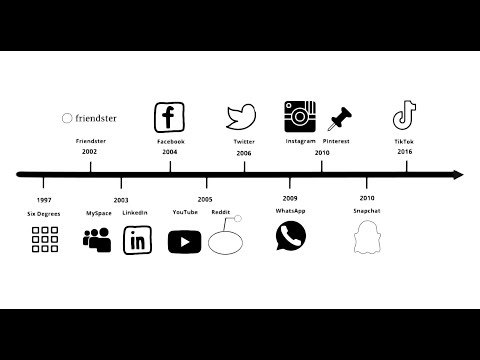
2. The Foundations of Social Media: Web 2.0 and User-Generated Content
The genesis of social media is intrinsically linked to the advent of Web 2.0, a paradigm shift in internet functionality that moved beyond static webpages to foster dynamic, interactive online experiences. Web 2.0 technologies laid the groundwork by enabling users to actively contribute to and create content, rather than merely consuming it. This shift empowered individuals to generate, share, and discuss information, thereby birthing the concept of user-generated content (UGC). Platforms connecting user profiles became the standard, allowing for unprecedented levels of interaction and collaborative content creation. This foundational principle remains at the heart of all social media platforms today, distinguishing them from earlier, more passive online interactions. Read more

3. The Rise of Personal Connection: Early Platforms
The early iterations of social media platforms primarily focused on facilitating personal connections and fostering online communities. These pioneering sites provided individuals with the means to create personal profiles, connect with friends and family, and share updates about their lives. The appeal was simple yet profound: bridging geographical distances and maintaining relationships in a novel digital space. These platforms emphasized social networking, allowing users to build and maintain their digital social circles, share personal experiences, and engage in informal communication. This era solidified social media's role as a tool for enhancing and extending personal relationships, laying the groundwork for its eventual widespread adoption.
4. Social Media for Business and Brands
The profound reach and engagement capabilities of social media quickly became apparent to businesses and brands. Recognizing the immense potential to connect directly with consumers, companies began integrating social media into their marketing and communication strategies. This marked a significant shift from traditional advertising models to more interactive and direct engagement. Brands now leverage social platforms to:
- Build community and cultivate brand loyalty.
- Launch products and manage customer service.
- Execute targeted advertising campaigns.
Social media has become an essential channel for brands to establish a distinct voice, showcase their values, and foster authentic relationships with their audience, thereby transforming traditional brand building into an interactive, ongoing dialogue. Read more
5. The Impact of AI and Algorithms
Modern social media operates within a highly sophisticated, AI-driven landscape. Artificial intelligence and complex algorithms are the invisible architects shaping user experiences, content delivery, and platform functionality. These technologies analyze vast amounts of user data, including preferences, engagement patterns, and interactions, to:
- Personalize feeds.
- Recommend content.
- Optimize advertising targeting.
AI-powered algorithms determine what content users see, influencing trends, conversations, and even public opinion. This integration has made social media platforms incredibly efficient at keeping users engaged, but it also introduces complexities related to data privacy, content moderation, and the potential for algorithmic bias, making the understanding of these underlying systems crucial. Read more

6. Social Media and News Dissemination
The role of social media in news dissemination has grown exponentially, transforming it into a primary source of information for a significant portion of the global population. Users increasingly turn to platforms for real-time updates, breaking news, and diverse perspectives on current events. This immediacy offers unparalleled speed in sharing information, often surpassing traditional news outlets in rapid response. However, this accessibility also presents challenges, including:
- The proliferation of misinformation and disinformation.
- The amplification of echo chambers.
- The blurring lines between factual reporting and opinion.
Consequently, media literacy and critical evaluation skills are more vital than ever for navigating the news landscape on social media.

7. The E-commerce Revolution on Social Media
What began as a space for personal connections has rapidly evolved into a powerful engine for commerce. The rise of social commerce signifies a revolutionary shift where direct purchasing is seamlessly integrated into social media platforms. Users can now discover products, browse storefronts, interact with brands, and complete transactions without ever leaving their social feed. Features like shoppable posts, in-app marketplaces, and live shopping events have transformed social media into a direct sales channel, offering convenience and a highly personalized shopping experience. This integration blurs the lines between social interaction and retail, creating new opportunities for businesses and reshaping consumer buying habits.

8. Understanding Social Media Analytics and Metrics
For businesses and content creators, understanding social media analytics and metrics is paramount to success. These sophisticated tools provide invaluable insights into:
- Audience demographics.
- Content performance.
- Engagement rates, reach, and impressions.
- Conversion data.
By meticulously analyzing these metrics, users can gain a deep understanding of what resonates with their audience, refine their content strategies, optimize their posting schedules, and measure the return on investment (ROI) of their social media efforts. Data-driven decision-making, informed by robust analytics, is the cornerstone of effective social media management, enabling continuous improvement and strategic growth.
9. The Future of Social Media: Emerging Technologies and Trends
The trajectory of social media continues to be one of relentless innovation and adaptation. The future promises further integration of emerging technologies such as augmented reality (AR) and virtual reality (VR), creating more immersive and interactive user experiences within metaverses. Decentralized social networks are also gaining traction, offering new models for data ownership and platform governance. Furthermore, the emphasis on privacy, ethical AI, and responsible content moderation will continue to shape platform development. As technology evolves, social media will undoubtedly continue to redefine how we connect, communicate, consume information, and conduct business, consistently pushing the boundaries of digital interaction.

10. Frequently Asked Questions (FAQ)
- Q: What is Web 2.0's role in social media? A: Web 2.0 refers to the second generation of web development that allowed for user-generated content, interactivity, and collaborative information sharing, which are fundamental to all social media platforms.
- Q: How do algorithms affect my social media experience? A: Algorithms analyze your past interactions, preferences, and connections to personalize your content feed, recommend friends, and display relevant advertisements, significantly shaping what you see and experience on the platform.
- Q: Can businesses truly benefit from social media? A: Absolutely. Businesses leverage social media for brand building, customer engagement, marketing campaigns, direct sales (social commerce), and market research, making it a vital tool for growth.
- Q: What is social commerce? A: Social commerce is the direct selling of products within social media platforms, allowing users to discover, browse, and purchase items without leaving the app.
- Q: Is social media a reliable source for news? A: While social media provides real-time news updates, it is crucial to exercise critical judgment and cross-reference information with reputable sources due to the prevalence of misinformation and echo chambers.
11. Key Takeaways
- Social media originated with Web 2.0, emphasizing user-generated content and personal connections.
- It has evolved from a tool for social networking into a critical component for brand building and business interaction.
- AI and sophisticated algorithms are central to modern social media, personalizing content and influencing user experiences.
- Social media has become a dominant platform for news dissemination, offering immediacy but also requiring critical media literacy.
- The integration of e-commerce features has transformed social media into a direct sales channel, facilitating in-app purchases.
- Analytics are essential for understanding audience engagement and optimizing content strategies for effective social media management.
- The future of social media will be shaped by emerging technologies like AR/VR, focusing on immersive experiences and ethical considerations.
12. Conclusion
From its humble beginnings as a digital space for personal connections, social media has undergone an extraordinary evolution, emerging as a multifaceted, AI-driven ecosystem that profoundly impacts every aspect of our digital and, increasingly, our physical lives. It is a testament to technological innovation, demonstrating how user profiles connected by Web 2.0 technologies can foster unprecedented levels of user-generated content, interaction, and direct commerce. As social media continues its rapid development, driven by advancements in artificial intelligence and the pursuit of more immersive experiences, its influence on brand building, news consumption, and economic activity will only expand. Understanding its intricate workings, historical trajectory, and future potential is not merely academic; it is essential for navigating the complexities of our increasingly interconnected world.


No Comments Yet
Be the first to comment on this article.